
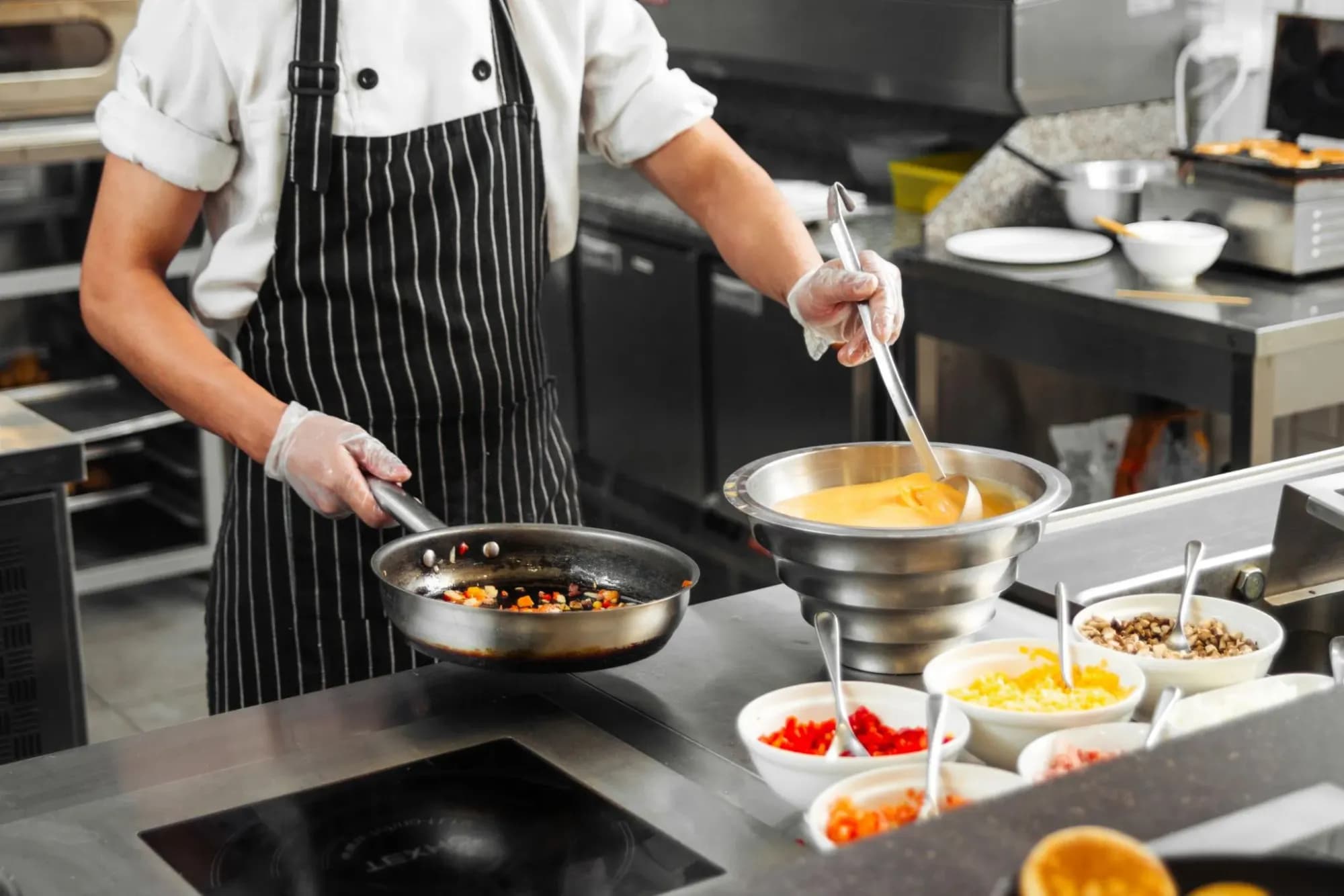
How Restaurants Can Maintain Consistent Garlic Flavour Across Every Dish
Customers expect their favourite dishes to taste the same every visit. Learn how restaurants can standardise garlic measurements, preparation, cooking, and ingredient quality to keep flavour consistent across every kitchen and shift.
Consistency is one of the most important elements of a successful restaurant.
Customers expect their favourite dishes to taste the same every time they visit. Whether it is garlic fried rice, stir-fried vegetables, pasta, or a signature sauce, maintaining consistent flavour helps restaurants build customer satisfaction and trust.
Garlic is a particularly important ingredient because small changes in quantity, preparation, and cooking time can noticeably affect the final dish.
For commercial kitchens, maintaining consistent garlic flavour requires more than simply using the same recipe.
Why Garlic Flavour Can Vary Between Dishes
Garlic flavour is influenced by several factors, including the condition of the cloves, preparation method, quantity used, and cooking temperature.
For example, finely minced garlic releases flavour compounds more rapidly than whole cloves.
Cooking time also matters. Garlic that is lightly sautéed produces a different aroma from garlic that has been deeply browned.
When kitchen staff use different cutting methods or cooking techniques, the same recipe may produce inconsistent results.
This becomes especially challenging for restaurants operating multiple kitchen shifts or outlets.
1. Standardise Garlic Measurements
One of the simplest ways to improve consistency is to establish standard ingredient measurements.
Instead of relying on instructions such as "add a few cloves of garlic," restaurants can specify quantities by weight.
For example, a standard recipe might require 20 grams of minced garlic per batch.
Using digital kitchen scales helps employees follow the same measurements regardless of who prepares the dish.
This approach is particularly useful for central kitchens, catering operations, and restaurants with multiple branches.
2. Use Consistent Garlic Preparation Methods
The way garlic is cut affects how its flavour develops during cooking.
Minced garlic releases its flavour quickly, while sliced garlic provides a more gradual release. Whole cloves generally create a milder flavour when cooked without being crushed.
Restaurants should document the required garlic preparation for each recipe.
A standard operating procedure may specify whether garlic should be:
- Finely minced
- Roughly chopped
- Thinly sliced
- Crushed
- Used as whole cloves
Using the same preparation method helps reduce variation between kitchen staff.
3. Control Cooking Temperature and Timing
Garlic is sensitive to heat.
When cooked over excessive heat, finely chopped garlic can burn quickly and develop a bitter taste.
For consistent results, chefs should follow standard cooking temperatures and approximate timing.
For example, garlic used in a stir-fry may be briefly sautéed before other ingredients are added, while garlic intended for a roasted sauce may require longer cooking at a gentler temperature.
The cooking method should match the desired flavour profile.
4. Maintain Consistent Ingredient Quality
The quality and condition of garlic can also influence flavour.
Garlic that has deteriorated or been stored improperly may develop undesirable aromas and textures.
Commercial kitchens should inspect ingredients during receiving and follow appropriate storage instructions.
Working with a dependable peeled garlic supplier can help businesses maintain more predictable ingredient specifications.
However, consistent results also depend on correct handling after delivery.
5. Train Kitchen Staff Using Standard Recipes
Even a well-written recipe can produce inconsistent results if employees interpret instructions differently.
Restaurants should train kitchen staff on garlic measurements, preparation techniques, and cooking procedures.
Visual guides, preparation demonstrations, and standard recipe cards can help new employees understand the expected results.
For larger food businesses, periodic quality checks can identify differences between batches or outlets.
6. Review Customer Feedback and Recipe Performance
Customer feedback can provide valuable information about flavour consistency.
If customers report that a dish tastes stronger or weaker than usual, restaurant managers should review ingredient measurements and preparation procedures.
Regular recipe testing can also help businesses maintain quality when introducing new staff, equipment, or menu items.
Final Thoughts
Consistent garlic flavour is achieved through standardised measurements, preparation methods, cooking techniques, and ingredient handling.
For restaurants, caterers, and central kitchens, these practices help maintain reliable food quality and a consistent customer experience.
Support Your Kitchen's Ingredient Consistency
Support your kitchen's ingredient consistency with ready-to-use peeled garlic. Contact BLP Fresh Pack to learn more about peeled garlic supply options for restaurants, caterers, and commercial food businesses.
Contact Us TodayMore Articles
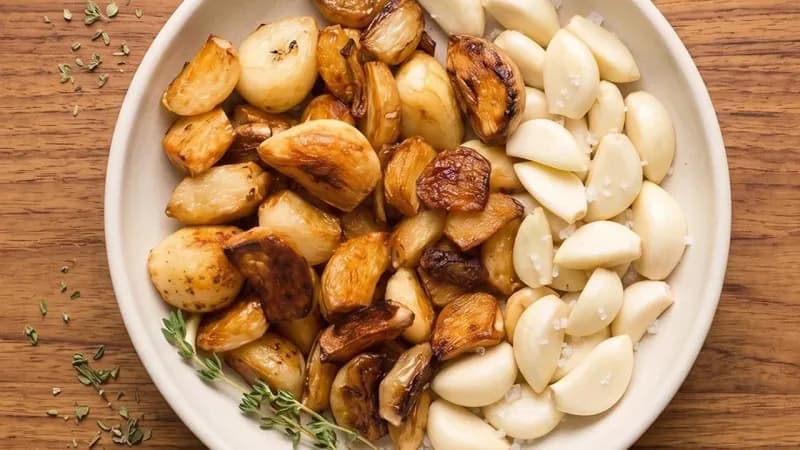
Roasted Garlic vs Raw Garlic: How Cooking Changes Flavour and Aroma
October 2026 · 5 min read
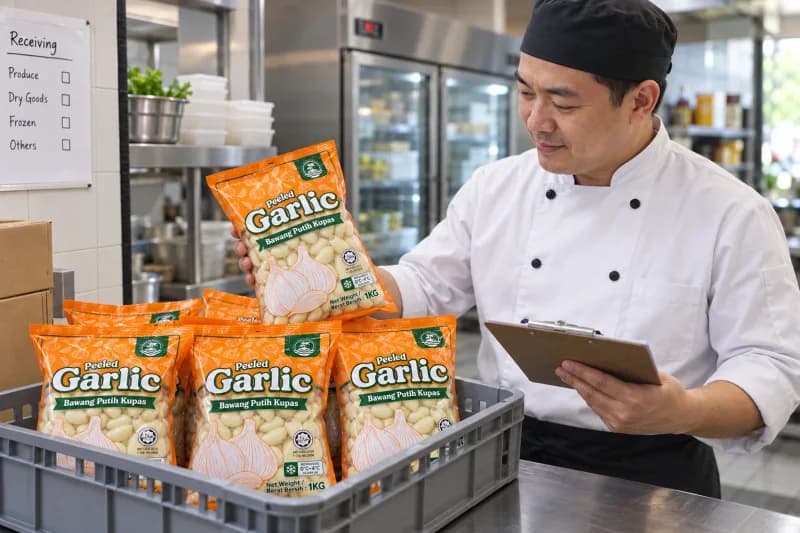
Buying Peeled Garlic in Bulk: What Restaurants Should Consider Before Ordering
September 2026 · 8 min read
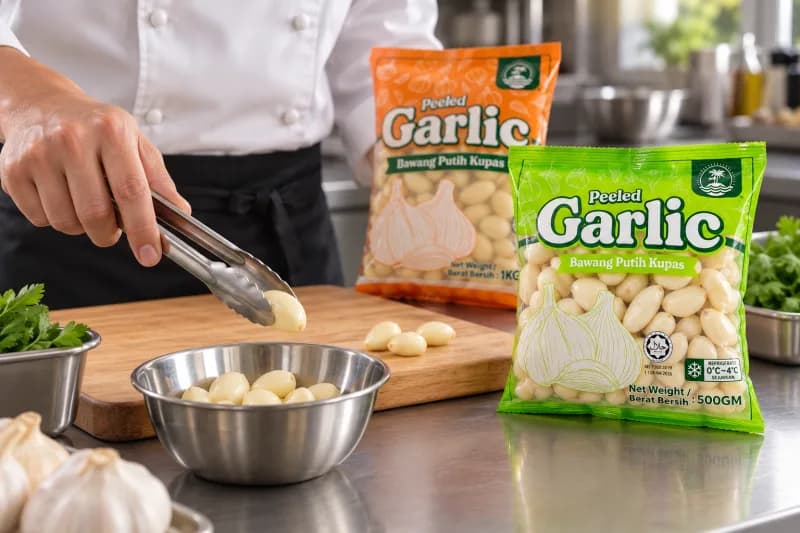
How to Store Peeled Garlic to Keep It Fresh for Longer
September 2026 · 7 min read

Why Food Manufacturers Choose Fresh Peeled Garlic for Efficient Production
August 2026 · 9 min read

How Restaurants Can Reduce Labour Costs with Peeled Garlic
August 2026 · 8 min read

Fresh Peeled Garlic Supplier in Malaysia: Why Businesses Choose Quality and Convenience
July 2026 · 7 min read

Fresh Garlic vs Peeled Garlic: Which Is Better for Restaurants and Commercial Kitchens?
July 2026 · 6 min read

5 Ways Peeled Garlic Can Save Time in a Busy Kitchen
May 2026 · 4 min read

Simple Garlic Stir-Fry Recipe for Everyday Cooking
April 2026 · 3 min read

Why Food Businesses Should Use Ready-to-Use Peeled Garlic
March 2026 · 5 min read